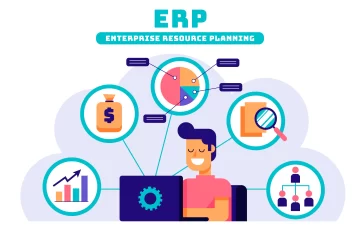
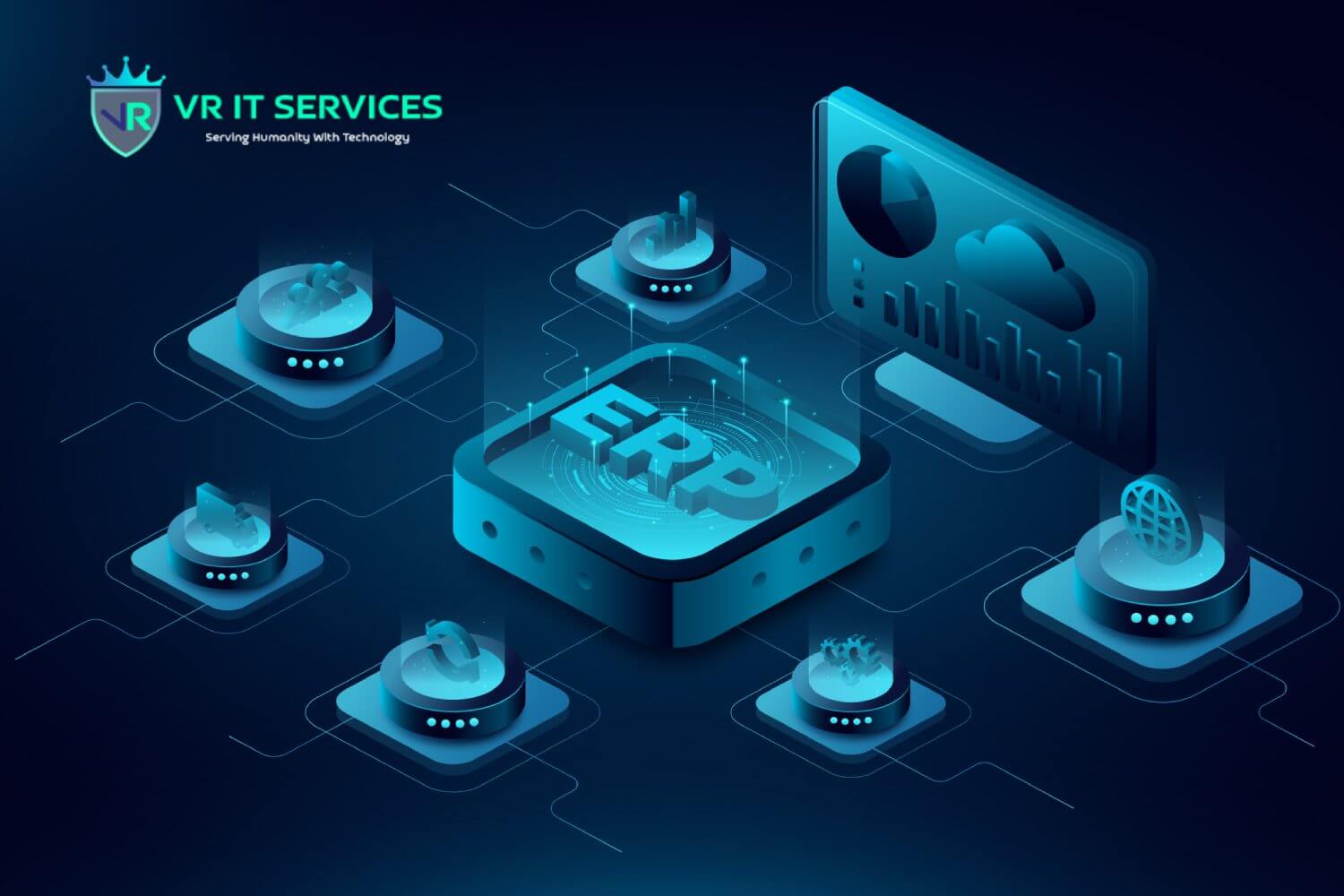
In the modern business landscape, efficiency and streamlined operations are crucial for success. Companies, both large and small, are constantly searching for ways to optimize their processes, enhance productivity, and improve decision-making. This quest has led to the rise of ERP Software (Enterprise Resource Planning), a powerful tool that integrates core business functions into a unified system. The development of such systems, known as ERP Development, is a critical process for businesses seeking to gain a competitive edge in today’s fast-paced market.
In this comprehensive blog post, we will delve into the world of ERP software and ERP development, exploring what ERP is, how it works, the benefits it offers, and how businesses can leverage ERP solutions to achieve operational excellence. We’ll also touch on the best ERP software, top ERP software, and the role of ERP planning systems in improving business processes.
1. What is ERP Software?
Enterprise Resource Planning (ERP) software is a suite of integrated applications used by organizations to manage and automate various business processes. These processes can range from financial management and human resources to supply chain and Customer Relationship Management (CRM). The main goal of ERP Software is to streamline and automate business operations, providing businesses with a comprehensive view of their data and operations.
Key Features of ERP Software:
- Integration of Core Functions: ERP Systems integrate various business functions into one system, ensuring smooth data flow and communication between departments.
- Real-time Data Access: ERP Software provides real-time insights into business operations, helping businesses make informed decisions.
- Automation of Business Processes: Many repetitive tasks such as data entry, order processing, and inventory management are automated, reducing human error and increasing productivity.
- Customization and Scalability: ERP Systems can be customized to fit the unique needs of an organization. Additionally, they can scale as the business grows.
- Cloud-based Solutions: Many modern ERP Systems are cloud-based, allowing for flexibility, mobility, and easy access to data from anywhere in the world.
2. The Importance of ERP Software in Modern Business Operations
As businesses grow, managing operations across departments becomes increasingly complex. ERP Software addresses these challenges by offering a centralized platform that enables seamless communication and data sharing between different business units. This integration helps organizations optimize their workflows, improve decision-making, and respond quickly to market changes.
Key Benefits of ERP Software:
- Improved Efficiency: By automating repetitive tasks and providing a unified view of business data, ERP Software helps businesses reduce operational inefficiencies.
- Cost Savings: ERP Systems can help businesses cut costs by optimizing inventory management, reducing waste, and improving resource allocation.
- Better Decision-Making: With real-time access to data, decision-makers can make informed choices, leading to better business strategies and outcomes.
- Regulatory Compliance: Many ERP systems include features that help businesses comply with industry regulations by maintaining accurate records and generating compliance reports.
- Enhanced Collaboration: ERP Software breaks down silos within an organization, fostering collaboration between different teams and departments.
3. What is ERP Development?
ERP Development refers to the process of designing, building, and customizing an ERP System to meet the specific needs of an organization. While some businesses choose to purchase off-the-shelf ERP Software, many opt for customized ERP Development to tailor the solution to their unique processes and requirements.
ERP Development Process:
- Requirement Analysis: This stage involves understanding the specific needs of the business, including identifying key challenges and objectives that the ERP system should address.
- Design & Planning: Based on the requirements, the development team creates a system design that outlines how the ERP System will be structured, including which modules will be included (e.g., finance, HR, inventory).
- Customization: In this phase, the ERP System is customized to suit the unique processes and workflows of the organization.
- Testing: After customization, the system undergoes rigorous testing to ensure it functions correctly and meets the business’s needs.
- Implementation: Once testing is complete, the ERP System is deployed across the organization, and employees are trained to use the system.
- Maintenance & Upgrades: After implementation, ongoing maintenance and periodic upgrades are necessary to keep the system running smoothly and incorporate new features or address any issues.
Why Invest in ERP Development?
- Tailored Solutions: Custom-developed ERP Systems are designed specifically for a business’s needs, ensuring that they align perfectly with its operations.
- Competitive Advantage: A well-developed ERP System can give a business a competitive edge by providing better insights, improved efficiency, and greater agility.
- Long-Term Investment: Although custom ERP Development requires an initial investment, it offers long-term benefits by enhancing operational efficiency and scalability.
4. ERP Solutions: What Are They and How Do They Work?
ERP solutions are ready-made or customized software systems designed to help businesses manage and automate their operations. These solutions are made up of various modules that address different aspects of business management, including:
- Financial Management: This module helps businesses manage their financial transactions, accounting, and reporting.
- Supply Chain Management: It enables businesses to track inventory, manage suppliers, and optimize the flow of goods.
- Human Resource Management (HRM): This module handles employee records, payroll, recruitment, and performance management.
- Customer Relationship Management (CRM): CRM modules help businesses manage their customer interactions, sales leads, and marketing campaigns.
- Project Management: This module is designed for businesses that handle complex projects, allowing them to track tasks, timelines, and resources.
How ERP Solutions Work:
ERP Solutions work by providing a centralized platform where all the data from different business functions are integrated. This integration allows for the seamless flow of information between departments, which improves collaboration and decision-making.
For example, when a sales order is placed, the ERP System can automatically update inventory, generate an invoice, and notify the finance department for processing. Similarly, HR managers can access employee data directly from the ERP System, which helps streamline payroll and performance management processes.
5. Best ERP Software: How to Choose the Right One for Your Business
When selecting the Best ERP Software, businesses must consider several factors, including their specific needs, budget, scalability, and ease of use. With so many options available in the market, it can be difficult to determine which ERP Software is right for your organization.
Criteria for Selecting the Best ERP Software:
- Customization: Choose an ERP Solution that can be customized to fit your business’s unique processes and requirements.
- Ease of Use: The software should be user-friendly, allowing employees to quickly learn and adopt the system.
- Scalability: As your business grows, your ERP System should be able to scale with you. Look for software that can accommodate future growth and expansion.
- Integration Capabilities: Ensure that the ERP System can integrate with your existing software tools and systems, such as CRM software, e-commerce platforms, and third-party applications.
- Support and Training: A reliable support team and comprehensive training resources are essential to ensure that your team can use the ERP System effectively.
- Cost: Consider your budget and the total cost of ownership, which includes software licenses, implementation costs, and ongoing maintenance.
Top ERP Software on the Market:
- SAP ERP: SAP is one of the most well-known ERP Solutions, offering a comprehensive suite of tools for businesses of all sizes. It is especially popular among large enterprises.
- Microsoft Dynamics 365: Known for its user-friendly interface, Microsoft Dynamics 365 offers flexible and customizable solutions for a wide range of industries.
- Oracle ERP: Oracle is known for its robust and scalable ERP System, suitable for large businesses with complex needs.
- NetSuite ERP: A cloud-based ERP System that offers flexibility, scalability, and real-time data access. It is a popular choice among mid-sized businesses.
- Odoo: Odoo is an open-source ERP Solution that provides a wide range of modules and customization options. It is ideal for small to medium-sized businesses.
6. ERP Planning System: The Backbone of Your ERP Strategy
An ERP planning system is essential for aligning the implementation and operation of the ERP System with your business strategy. It involves the process of determining how the ERP Software will be used to support business goals and objectives.
Key Components of an ERP Planning System:
- Goal Setting: Define what you hope to achieve with the ERP System, such as improving efficiency, enhancing decision-making, or reducing costs.
- Resource Allocation: Identify the resources required for successful ERP implementation, including time, personnel, and budget.
- Timeline: Set a realistic timeline for the ERP implementation process, considering factors such as customization, testing, and training.
- Change Management: Plan for the organizational changes that will occur with the introduction of the ERP System. Ensure that employees are trained and ready to use the new system.
7. The Future of ERP: AI and Automation Integration
The future of ERP Software is closely tied to advancements in AI (Artificial Intelligence) and automation. AI-powered ERP Systems will enable businesses to make smarter decisions, automate complex tasks, and provide deeper insights into operations.
Conclusion
ERP software and ERP development have become indispensable for modern businesses aiming to streamline operations, enhance productivity, and achieve sustainable growth. By integrating various departments—such as finance, HR, supply chain, sales, and customer service—into a single unified system, enterprise resource planning solutions provide real-time insights and improve decision-making.
Investing in custom ERP development allows businesses to tailor the system to their unique processes, ensuring scalability, flexibility, and long-term efficiency. Whether you are a small business looking to improve workflow or a large enterprise seeking to optimize complex operations, ERP remains a powerful tool for driving digital transformation.
Ultimately, partnering with the right ERP development company can unlock the true potential of your organization, giving you a competitive edge in today’s fast-paced business landscape.