Introduction:
The ticketing industry has seen significant changes over the years, with the emergence of digital ticketing platforms and the rise of blockchain technology. Non-fungible tokens (NFTs) have gained popularity in recent times, and their potential to disrupt the ticketing industry is being explored. In this article, we will delve into how NFT ticketing can revolutionize the ticketing industry and what it takes to develop an NFT ticketing platform.
As the ticketing industry continues to evolve, it is important for event organizers, ticket sellers, and fans to consider the potential benefits of NFT ticketing. By embracing this technology, the ticketing industry can provide a more secure, transparent, and fan-centric platform for ticket purchases. Whether you are an event organizer looking to create a new revenue stream, a ticket seller looking to provide a more efficient ticketing experience, or a fan looking to own and trade unique digital assets, NFT ticketing has the potential to disrupt the traditional ticketing industry and create a more exciting and rewarding experience for all stakeholders.
1: What are NFT Tickets?
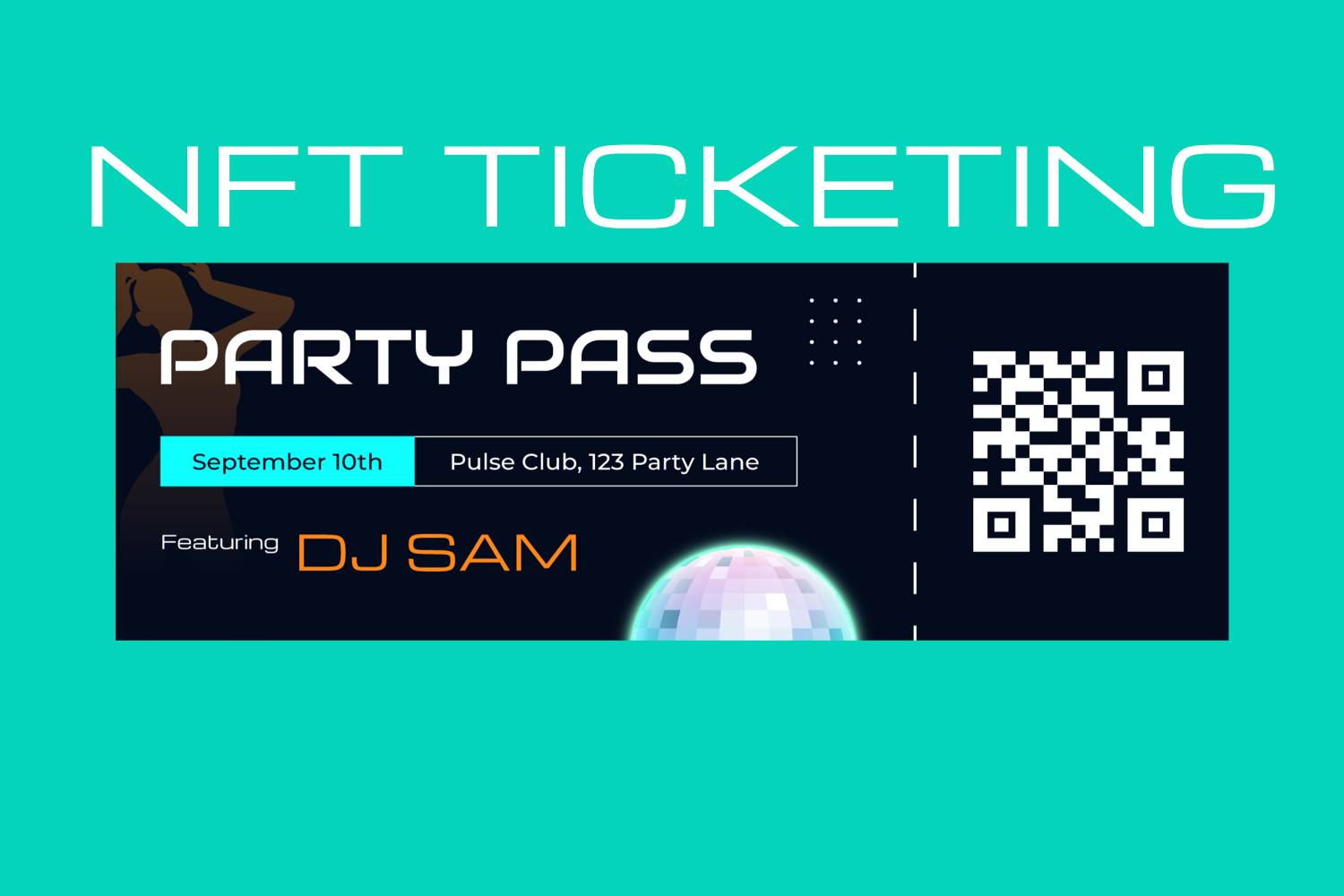
NFT tickets are unique digital tickets that are stored on a blockchain, ensuring their authenticity and ownership. Unlike traditional tickets, which can be easily counterfeited or tampered with, NFT tickets provide a secure and transparent way to verify ticket ownership.
2: How Do NFT Tickets Work?
NFT tickets are created using smart contracts on a blockchain platform. Each ticket is assigned a unique identifier and stored on the blockchain, allowing for secure and transparent ticket ownership. When a user purchases an NFT ticket, the smart contract is executed, and the ticket is transferred to the user’s digital wallet.
3: Benefits of NFT Tickets
- Security: NFT tickets are stored on a blockchain, ensuring their authenticity and ownership.
- Transparency: The decentralized nature of blockchain technology allows for transparent ticket ownership and transfer.
- Ownership: NFT tickets provide a secure way to prove ownership, reducing the risk of ticket fraud.
- Scarcity: Each NFT ticket is unique, making them scarce and valuable.
4: Developing an NFT Ticketing Platform
- Choosing a Blockchain Platform: Selecting the right blockchain platform is crucial for developing an NFT ticketing platform. Popular options include Ethereum, Binance Smart Chain, and Polkadot.
- Creating Smart Contracts: Smart contracts are self-executing contracts with the terms of the agreement written into code. They are used to create and transfer NFT tickets on a blockchain.
- Building a User Interface: A user-friendly interface is essential for an NFT ticketing platform, allowing users to easily purchase, transfer, and manage their tickets.
5: The Future of NFT Ticketing and NFT Ticketing Platforms
- scalability: As the ticketing industry grows, it is essential that NFT ticketing platforms can handle a large volume of transactions.
- Interoperability: NFT tickets should be interoperable with other ticketing platforms, allowing for seamless ticket transfer and management.
- Regulations: The ticketing industry is subject to various regulations, and NFT ticketing platforms must comply with these regulations to ensure a secure and trustworthy ticketing experience.
6: Conclusion
In conclusion, NFT ticketing has the potential to disrupt the ticketing industry by providing a secure, transparent, and unique ticketing experience. Developing an NFT ticketing platform requires careful consideration of blockchain technology, smart contracts, and user interface design. As the ticketing industry continues to evolve, NFT ticketing is poised to play a significant role in shaping its future.
NFT ticketing has the potential to revolutionize the ticketing industry by providing a secure, transparent, and fan-centric platform for ticket purchases. By leveraging blockchain technology and NFTs, ticketing platforms can provide a more efficient and reliable ticketing experience for fans, event organizers, and ticket sellers.
Key Takeaways
- NFT ticketing provides a secure and transparent platform for ticket purchases
- * NFTs provide a unique digital asset that can be owned and traded
- * NFT ticketing platforms can provide a more efficient and reliable ticketing experience for fans and event organizers
- * NFT ticketing has the potential to disrupt the traditional ticketing industry
Final Insights
While there are still challenges to be addressed in the development and implementation of NFT ticketing platforms, the potential benefits of this technology are significant. By providing a secure, transparent, and fan-centric platform for ticket purchases, NFT ticketing can help to build trust and confidence in the ticketing industry. Additionally, the unique digital assets provided by NFTs can help to create new revenue streams and opportunities for fans and event organizers.
As the ticketing industry continues to evolve, it is likely that NFT ticketing will play an increasingly important role in shaping the future of the industry. By leveraging the power of blockchain technology and NFTs, ticketing platforms can provide a more efficient, reliable, and fan-centric ticketing experience for all stakeholders.
In conclusion, NFT ticketing has the potential to revolutionize the ticketing industry by providing a secure, transparent, and fan-centric platform for ticket purchases. By leveraging blockchain technology and NFTs, ticketing platforms can provide a more efficient and reliable ticketing experience for fans and event organizers. As the ticketing industry continues to evolve, it is important for stakeholders to consider the potential benefits of NFT ticketing and embrace this technology to create a more.