Introduction
As digital experiences continue to evolve, selecting the right content management system has become a critical strategic decision for businesses in 2026. Websites are no longer static pages; they are dynamic platforms powering marketing, ecommerce, personalization, analytics, and omnichannel delivery. A modern CMS system must support speed, flexibility, security, and scalability while enabling teams to manage content efficiently.
In this in-depth guide, we explore everything you need to know about choosing a CMS 2026—from core concepts and trends to CMS features, comparisons, and future-ready strategies. Whether you are a startup, enterprise, or growing digital brand, this article will help you make an informed decision.
What Is a Content Management System?
A content management system is software that allows users to create, edit, manage, and publish digital content without needing deep technical knowledge. At its core, content management simplifies how businesses control text, images, videos, and structured data across digital channels.
Modern content management software goes beyond basic website updates. It integrates with marketing tools, ecommerce platforms, CRMs, analytics systems, and APIs to deliver consistent experiences across web, mobile apps, IoT devices, and more.
Key components of a CMS system include:
- Content editor and publishing tools
- Media and asset management
- User roles and permissions
- Templates and themes
- SEO and performance optimization
- Integrations and extensibility
Why Choosing the Right CMS Matters in 2026
The digital landscape in 2026 is more competitive than ever. User expectations for speed, personalization, accessibility, and security have increased dramatically. Choosing the wrong CMS system can limit growth, increase costs, and slow innovation.
Key reasons why CMS selection is critical:
- Performance: Page speed directly impacts SEO and conversions
- Scalability: Your CMS must grow with your business
- Security: Data protection and compliance are non-negotiable
- Flexibility: Support for new channels and technologies
- Team productivity: Efficient content management workflows
A future-ready content management system enables organizations to adapt quickly to changing market demands.
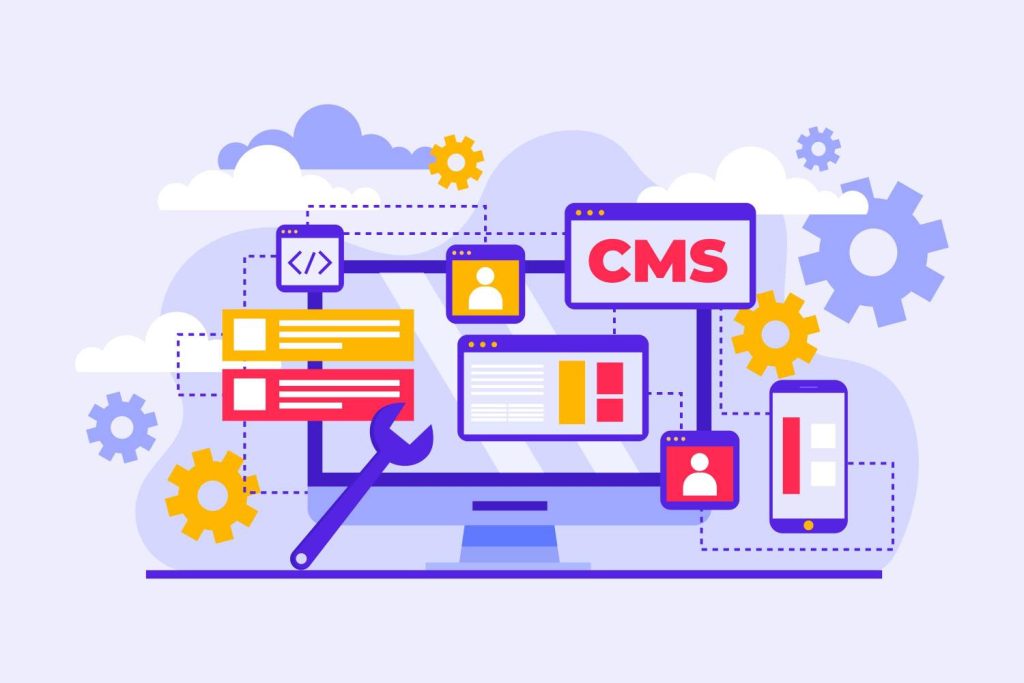
Types of Content Management Systems
Understanding CMS types is essential when choosing a CMS 2026.
1. Traditional (Monolithic) CMS
Traditional CMS platforms manage both the backend (content storage) and frontend (presentation).
Examples include WordPress, Joomla, and Drupal.
Pros:
- Easy to use
- Large plugin ecosystems
- Quick setup
Cons:
- Limited flexibility for omnichannel delivery
- Performance constraints at scale
2. Headless CMS
A headless CMS separates content management from presentation. Content is delivered via APIs to any frontend.
Examples include Contentful, Strapi, Sanity, and Hygraph.
Pros:
- Omnichannel content delivery
- High performance and flexibility
- Developer-friendly
Cons:
- Requires development resources
- Less out-of-the-box UI control
3. Hybrid CMS
Hybrid systems combine traditional CMS features with headless capabilities.
Pros:
- Best of both worlds
- Flexible architecture
Cons:
- Higher complexity
Key CMS Trends Shaping 2026
When evaluating the best CMS software, it’s important to understand current and emerging trends.
API-First Architecture
APIs allow seamless integration with frontend frameworks, mobile apps, and third-party services.
Composable Content Management
Composable architectures let businesses assemble tools instead of relying on a single platform.
AI-Powered Content Management
AI enhances content creation, personalization, search, tagging, and automation.
Omnichannel Delivery
Content must flow seamlessly across websites, apps, voice assistants, AR/VR, and IoT.
Security and Compliance
Stronger focus on data privacy, GDPR, and security-first CMS features.
Essential CMS Features to Look for in 2026
Choosing the right platform means evaluating CMS features that support both present and future needs.
Content Creation and Editing
- Intuitive editors
- Version control
- Drafts and approvals
Workflow and Collaboration
- Role-based access
- Editorial workflows
- Audit logs
Performance Optimization
- Caching
- CDN integration
- Image optimization
SEO and Marketing Tools
- Metadata control
- Structured data
- URL management
Scalability and Hosting
- Cloud-native infrastructure
- Auto-scaling
- High availability
Integration and Extensibility
- APIs and webhooks
- Plugin ecosystems
- Third-party integrations
Security
- Authentication and authorization
- Regular updates
- Compliance support
Headless CMS vs Traditional CMS in 2026
The rise of the headless CMS has transformed how businesses approach content management.
| Feature | Traditional CMS | Headless CMS |
|---|---|---|
| Frontend Flexibility | Limited | High |
| Omnichannel Support | Low | Excellent |
| Performance | Moderate | High |
| Developer Control | Limited | Extensive |
In 2026, headless and hybrid approaches dominate for businesses seeking agility and scale.
Best CMS Software Options in 2026
While requirements vary, several platforms stand out as best CMS software choices:
- WordPress (Hybrid)
- Drupal (Enterprise-ready)
- Contentful (Headless)
- Strapi (Open-source headless)
- Sanity (Real-time collaboration)
- Adobe Experience Manager (Enterprise)
Each CMS system serves different business needs, budgets, and technical capabilities.
How to Choose the Right CMS in 2026
When choosing a CMS 2026, follow a structured approach:
- Define business goals
- Identify content types and channels
- Evaluate technical requirements
- Consider team skills
- Assess total cost of ownership
- Test scalability and performance
- Review vendor support and roadmap
Avoid choosing solely based on popularity—fit matters more than trends.
CMS for Different Business Sizes
Startups
- Fast setup
- Low cost
- Easy content management
Small and Medium Businesses
- SEO tools
- Marketing integrations
- Scalable hosting
Enterprises
- Advanced workflows
- Security and compliance
- Omnichannel content delivery
Your content management software should align with organizational maturity.
Future of Content Management Beyond 2026
Looking ahead, content management will continue evolving with:
- AI-generated content
- Predictive personalization
- Voice and immersive experiences
- Deeper analytics integration
- No-code and low-code tools
Businesses that invest in flexible CMS architectures today will be best positioned for future innovation.
Conclusion
Choosing the right content management system in 2026 is about more than managing pages—it’s about building a foundation for digital growth. Whether you opt for a traditional platform, hybrid model, or headless CMS, the key is selecting software that aligns with your goals, supports modern CMS features, and adapts to future demands.
By understanding trends, evaluating the best CMS software, and planning strategically, organizations can unlock powerful content experiences that drive engagement, performance, and long-term success.